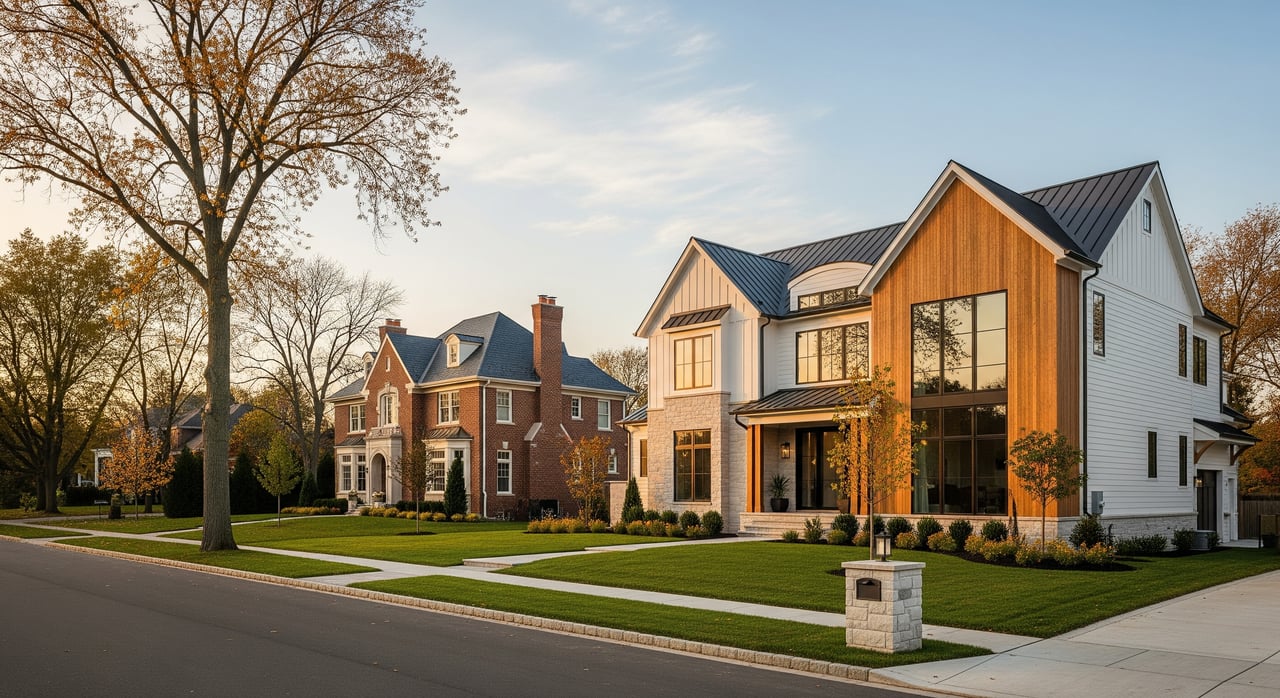
Thinking about buying in Avon and torn between a shiny new build and a well-kept resale? You are not alone. As Avon grows, you have more choices than ever, and each path has tradeoffs in cost, timing, and risk. In this guide, you will learn the key differences, what to ask, and how to match your timeline and budget to the best option for you. Let’s dive in.
Avon at a glance for move-up buyers
Avon sits in Lorain County west of Cleveland, with convenient access to I-90 and other corridors. The 2020 U.S. Census counted about 22,581 residents, reflecting steady growth and neighborhood development.
What you see on the ground is a mix of established streets and newer subdivisions. Proximity to highways, shopping, and schools often influences demand. Because pricing and inventory shift with the market, it is smart to review current comparable sales and active listings before you choose a path.
New construction vs resale: the core tradeoffs
Total cost to move in
New construction often carries a higher price per square foot because of modern layouts, energy-efficient systems, and new finishes. Resale homes may cost less upfront but can come with near-term updates like roof, HVAC, or kitchen work.
Look beyond the sticker price. For new builds, factor in deposits, landscaping or driveway completion, utility setup, and any homeowners association initiation fees. For resales, plan for immediate repairs, paint, or appliance replacements. Your best comparison is the total move-in cost over the first 12 to 24 months.
Timeline and certainty
Resale transactions typically close in about 30 to 60 days once financing and inspections are complete. That can be helpful if you need a predictable move date.
New construction timing depends on the type of home. A completed or near-complete spec home can close on a normal timeline. A build-to-order home can take several months or longer, depending on builder backlog, weather, and materials. Ask for a written schedule, review the contract’s remedies for delays, and plan for temporary housing if needed.
Inspections and quality control
On resales, you will order a standard home inspection, with add-ons like radon, pest, or sewer-scope as needed. An inspection contingency often gives you leverage to request repairs or credits.
For new builds, you should still hire an independent inspector. Staged inspections at key moments, such as pre-drywall and final walkthrough, help catch issues before they are concealed. City inspections and a certificate of occupancy are required, but those are separate from your inspector’s work. Build a punch list during the final walkthrough and document how and when items will be resolved.
HOA rules and fees
Newer subdivisions in Avon often include homeowners associations. Older neighborhoods may or may not. During a developer-controlled period, the builder may influence rules and decisions until the community is largely sold out.
Review the HOA covenants, current budget, any reserve study, dues, and the policy on special assessments. Newer communities sometimes have more detailed design standards, so it is important to understand what is allowed before you commit.
Warranties and peace of mind
Most new homes follow a common 1-2-10 warranty structure: 1 year for workmanship, 2 years for mechanical systems, and 10 years for major structural defects. Exact terms and exclusions vary by builder and any third-party warranty administrator. Get the full warranty in writing and understand how to file claims.
Resale homes do not carry a builder warranty by default, though you can purchase a third-party home warranty for certain systems and appliances. Coverage details differ by plan, so review what is included.
Financing and appraisals
Completed new homes and most resales usually work with standard mortgage products. If you are building from the ground up, you may need a construction loan or a construction-to-permanent loan, which uses draws and interest during the build.
Appraisals can be a sticking point for new homes if there are few recent comparable sales of similar age and finish. Lenders still require a satisfactory appraisal either way. Discuss appraisal strategies with your lender early and make sure your contract addresses what happens if the appraisal comes in low.
Taxes and insurance
New construction often sees the assessed value adjust once improvements are recorded, which can change the property tax bill after completion. For current figures, review Lorain County tax records for the specific parcel.
Insurance premiums can sometimes be lower for new homes due to new systems and code-compliant construction, but quotes vary by materials and location. Get property-specific estimates before you finalize your budget.
Practical checklist for Avon buyers
Questions to ask builders
- Is there a base price list and an itemized options list? Which features are standard versus upgrades?
- What is the expected completion date, and what are the remedies for delays?
- What warranties are included, for how long, and how do you file a claim?
- Who handles landscaping, driveway, sidewalks, and utility connection fees?
- Is there an HOA? If yes, can you review the covenants, current budget, and any reserve study?
- Can you perform independent inspections at pre-drywall and final stages?
- How are change orders priced and scheduled?
Questions to ask resale sellers
- How old are the roof, HVAC, water heater, and other major systems?
- Were recent renovations permitted and inspected? Can you see documentation?
- Are there known boundary issues, easements, or encroachments?
- If there is an HOA, what are the dues and any history of special assessments?
- Can you review recent utility bills and tax history?
Smart contract language
- New construction: Include the right to staged inspections, a written punch-list timeline, and clear remedies for incomplete items.
- Resale: Use a broad inspection contingency with defined timelines for repair requests or credits.
Negotiation levers
- New homes: Ask about incentives for quick closings, included upgrades, and possible closing cost assistance.
- Resales: Negotiate price, seller-paid repairs, or credits based on inspection findings.
Which option fits your situation?
Choose new construction if you value modern design, want the peace of mind of new systems, and your timeline is flexible. You may pay more per square foot, but you can often defer major maintenance for years.
Choose resale if you need a predictable move date, prefer established streets and lot sizes, or want to avoid a long build timeline. You can also target homes where updates are cosmetic and budget-friendly.
A balanced approach is to consider move-in-ready spec homes. These blend the benefits of new construction with a shorter timeline, and they sometimes come with builder incentives.
How Iconic Partners Group helps
You deserve clear guidance grounded in Avon’s neighborhood-by-neighborhood reality. Our team provides buyer representation, neighborhood advisory, market pricing insight, and support for new-build or resale paths. If you are selling to move up, we also deliver full listing marketing with professional photography, video, and staging coordination so your timeline and finances align.
Here is how we make it easier:
- Compare total move-in cost across new and resale using current local comps.
- Coordinate timing between your sale and purchase, including temporary housing plans if needed.
- Review HOA documents and warranty terms so you understand the rules and coverage before you commit.
- Help you craft contracts with the right inspections and appraisal protections.
Ready to evaluate your options in Avon with a local, boutique team by your side? Connect with the experts at Iconic Partners Group to start your plan.
FAQs
In Avon, will a new home cost more than a resale?
- Often yes, due to modern features and new systems, but the actual premium depends on local competition and recent comparable sales. Compare total move-in cost for both.
Do I still need inspections on a new build in Avon?
- Yes. Schedule independent staged inspections, including pre-drywall and a final walkthrough, and document a punch list for completion.
How long does a new build usually take in Avon?
- Build-to-order timelines commonly run several months or more depending on builder backlog, weather, and materials. Get the schedule in writing and plan for delays.
What should I review if the home is in an HOA?
- Review the covenants, current budget, any reserve study, dues, and the developer-control period terms, plus any history of special assessments.
How do financing and appraisals differ on new construction?
- Spec or completed homes typically use standard mortgages; ground-up builds may need construction loans. Work with your lender early and include appraisal protections in your contract.