Trying to choose new construction upgrades in Avon can feel exciting right up until the builder hands you the options sheet. Suddenly, every choice sounds important, every finish looks tempting, and your budget starts doing the math. If you want to make smart decisions without over-improving in the wrong places, this guide will help you focus on the upgrades that matter most for daily living, long-term value, and Avon-specific planning. Let’s dive in.
Start With What Is Hard to Change
When you build a home, the best upgrades are not always the flashiest ones. In most cases, the smartest first choices are the items that are expensive, disruptive, or complicated to change after closing.
In Avon, that often means prioritizing your home’s infrastructure and performance before decorative extras. A practical order is: hard-to-change systems first, daily-use surfaces second, and cosmetic finishes last.
That first group usually includes insulation, windows, HVAC, electrical or data rough-ins, and exterior features that may involve permits. Since Avon requires permits for many common residential projects, including decks, patios, pools, finished basements, fences, roofs, siding, and additions, it often makes sense to think ahead while the home is being built.
Avon also has local code conditions that matter for exterior planning. The city’s adopted-code summary lists a 42-inch frost depth, 20 psf ground snow load, and 115 mph design wind speed. That means outdoor upgrades are not just design choices. They can also affect structure, drainage, and installation details.
Prioritize the Right Floor Plan
Before you spend extra on countertops or lighting packages, make sure the basic layout works for your life. Buyers are often drawn to new construction because of open layouts, energy efficiency, warranties, and the ability to choose finishes, but the floor plan is still the foundation of day-to-day comfort.
Think about how you move through the home in the morning, where people gather, and how much storage you actually need. A home that flows well will usually serve you better than one with premium finishes in a layout that feels awkward.
NAHB buyer-trend reporting shows continued demand for features like a laundry room, a patio, garage storage, a front porch, a walk-in pantry, table space in the kitchen, and a full bath on the main level. Those are not just trend items. They are the kinds of features that can make a home easier to live in and more appealing later.
Choose Kitchen Upgrades That Improve Function
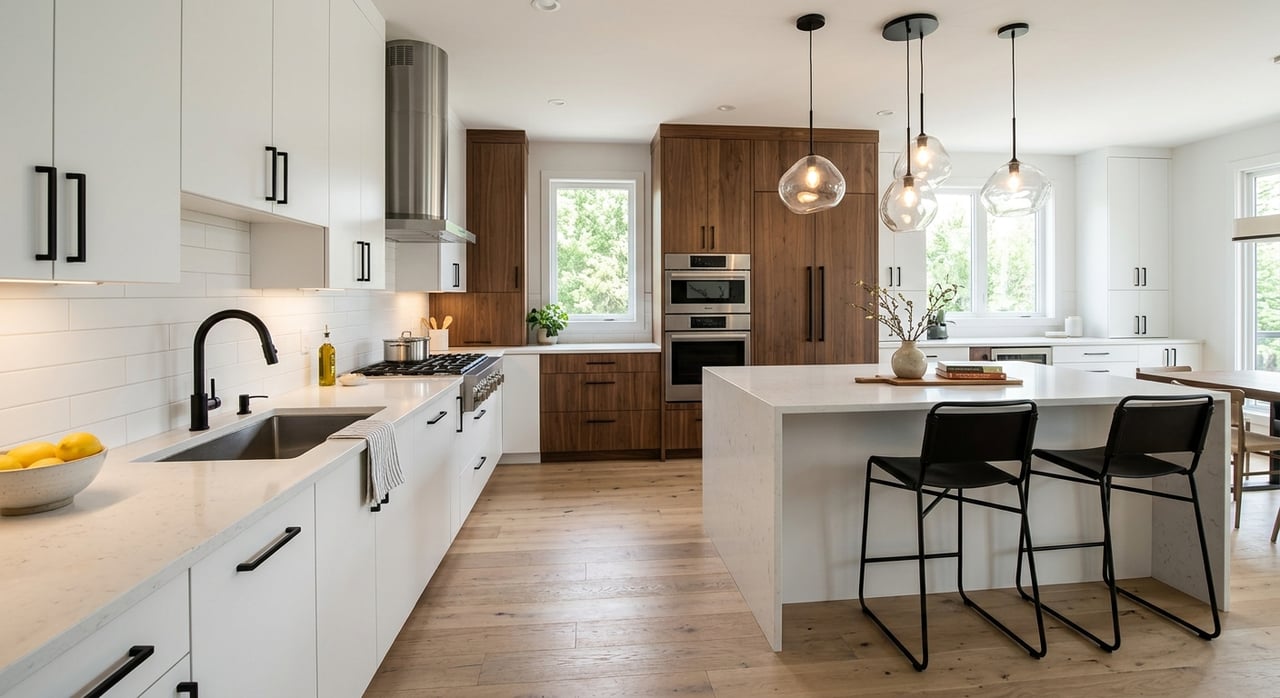
The kitchen is one of the easiest places to overspend, but it is also one of the most important areas to get right. NAR’s 2025 Remodeling Impact Report gave both a kitchen upgrade and a complete kitchen renovation a Joy Score of 10, and REALTORS® reported increased demand for kitchen upgrades over the past two years.
That does not mean you need every premium finish. It means your money usually goes further when it improves how the kitchen works.
Focus on upgrades like:
- Better storage
- A practical island or prep area
- Durable countertops
- Strong task lighting
- Enough outlets
- Table space if your household uses it often
- ENERGY STAR appliances if available
NAHB reporting also shows that buyers often value hardwood flooring, granite countertops, patio access, and ENERGY STAR appliances, while quartz or engineered stone and built-in seating have grown in popularity. If your budget is tight, lean toward the upgrades that support cooking, storage, and traffic flow before highly personalized design features.
Don’t Underestimate Bathroom Choices
Bathrooms tend to be less flashy than kitchens, but they matter just as much in daily life. NAR’s 2025 report shows strong appeal for bathroom renovation, and NAHB lists a full bath on the main level among features buyers want.
When choosing bath upgrades in new construction, think about layout first. A well-placed shower, enough vanity storage, good lighting, and proper ventilation can improve your routine every single day.
If your builder offers options for an additional full bath, a better primary bath layout, or improved storage, those choices may be worth a close look. In many homes, bathroom function ages better than trend-driven tile patterns or decorative fixtures.
Pick Flooring for Wear and Longevity
Flooring is one of the most visible upgrade decisions in a new home. It has a major effect on how the home feels when you walk in, and it also takes a lot of daily wear.
NAHB continues to list hardwood flooring among top buyer wish-list items, and NAR’s 2025 Remodeling Impact Report shows new wood flooring as a high-satisfaction project. That makes flooring one of the more practical places to invest, especially in main living areas.
In Avon, it is wise to think beyond the showroom sample. Consider how the material will handle foot traffic, furniture movement, and seasonal dirt and moisture tracked in from outside. A beautiful floor that does not hold up well can lose its appeal quickly.
If you are choosing where to upgrade, start with the spaces you use and see most often. Main living areas, kitchens, and entry zones typically deserve more attention than lower-impact rooms.
Make Energy Efficiency a Core Upgrade
Energy-focused upgrades can be easy to overlook because many of them are behind walls or built into systems. Still, they can have one of the biggest effects on comfort, operating costs, and long-term value.
DOE says ENERGY STAR-certified homes are typically 40% to 50% more energy efficient than typical new construction, and its building-science materials note that ENERGY STAR homes can carry resale premiums of 2% to 8% in many markets. That makes energy efficiency a lifestyle choice and a resale consideration.
If your builder offers meaningful performance upgrades, these are often worth prioritizing:
- High-performance windows
- Improved insulation and air sealing
- Efficient HVAC systems
- Programmable thermostat controls
- Multizone HVAC, if it fits the home design
- ENERGY STAR appliances
- Efficient water-heating options
ENERGY STAR also says certified windows, doors, and skylights can reduce heating and cooling costs by an average of up to 13% nationwide, with criteria based on climate zone. DOE notes that ENERGY STAR homes are built with air sealing, insulation, high-performance windows, and efficient HVAC systems that improve comfort, durability, moisture control, and indoor air quality.
These are the kinds of upgrades that can be difficult or expensive to improve later. If you need to choose between decorative extras and better performance, performance often wins.
Add Smart Home Features Thoughtfully
Technology upgrades can be useful when they improve convenience, efficiency, or future flexibility. NAHB buyer-trend reporting shows stronger popularity for security cameras, wired security systems, programmable thermostats, video doorbells, multizone HVAC systems, and energy-management systems.
The key is to focus on the features that are harder to retrofit once walls are closed. Structured wiring, built-in security components, and thermostat or HVAC controls usually deserve more attention than gadgets you can easily add later.
NAHB consumer guidance also notes that tankless water heaters are about 30% more efficient than traditional gas water heaters, and automated dimmers, timers, and smart bulbs can help lower electricity bills. If your builder offers these as integrated options, compare the cost now versus adding them after move-in.
Plan Outdoor Upgrades With Avon Rules in Mind
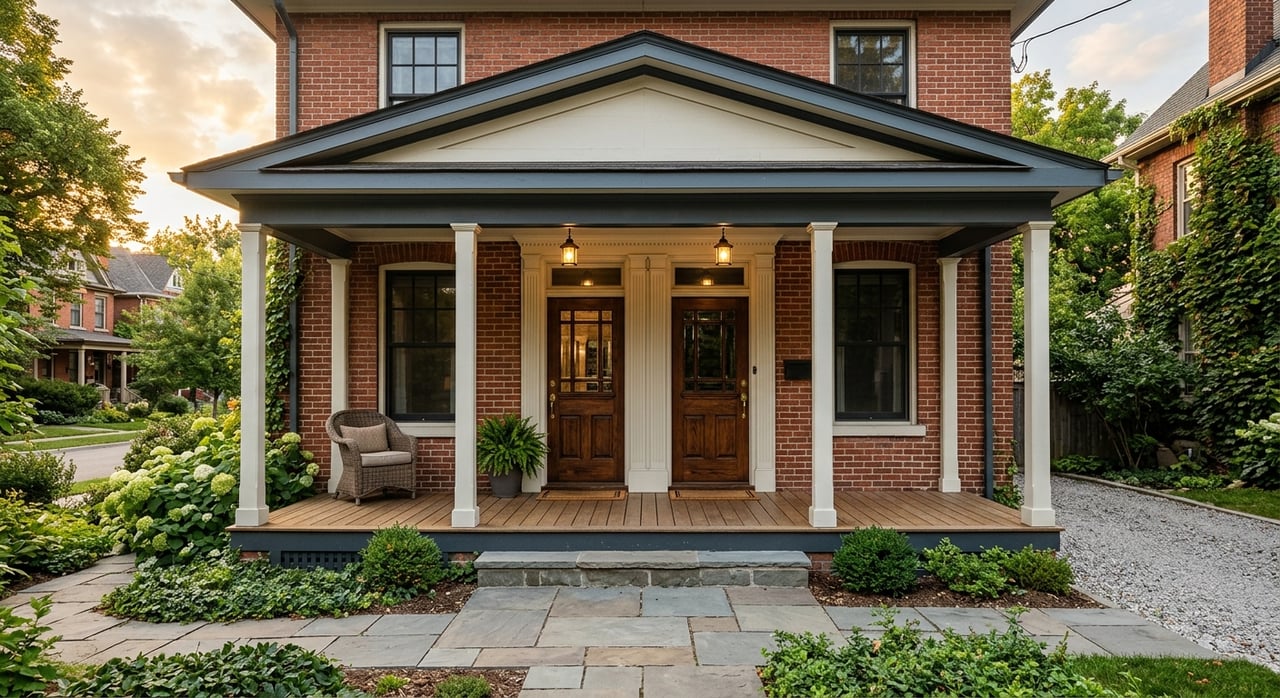
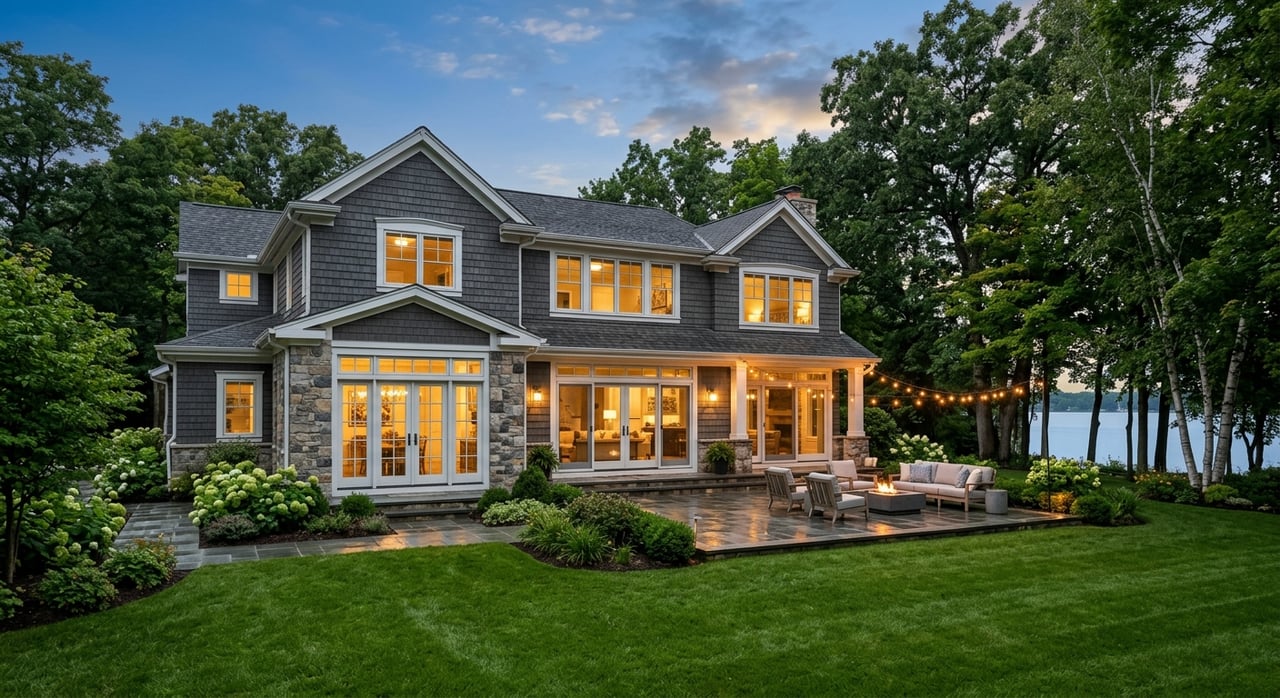
Outdoor living matters to buyers, and it often matters even more in a new build because you may be starting with a blank backyard. NAHB keeps patio, front porch, exterior lighting, landscaping, and garage storage near the top of buyer wish lists, while outdoor kitchens and outdoor fireplaces are gaining popularity.
NAR’s 2025 outdoor-features report adds another strong signal. It found that 97% of REALTORS® said curb appeal is important to attracting a buyer, 98% said it is important to a potential buyer, and the typical Joy Score for outdoor projects was 9.7.
In Avon, though, exterior upgrades need practical planning. The city says many of these projects usually require building and or zoning permits, contractors must be licensed or registered with the city, and work may not begin until a permit is issued.
The city also tells homeowners to check HOA rules before submitting deck or pool plans. Avon’s deck guidance says decks need a site plan and drawings, and posts must be set at least 36 inches below grade. Pool permits may also involve setback, fencing, and survey requirements.
Because of that, it can be smart to decide early if you want features like:
- A patio
- A front porch enhancement
- Exterior lighting
- Irrigation
- A deck
- A future pool plan
- Added landscaping
If an outdoor feature affects grading, access, structure, or permits, it is usually easier to plan for it upfront than to solve for it later.
Use a Simple Upgrade Filter
If you are staring at a long builder menu, use this quick filter to simplify the decision.
Upgrades Worth Strong Priority
- Floor plan improvements
- Kitchen layout and storage
- Bathroom count and function
- Windows and insulation
- HVAC efficiency
- Electrical and data rough-ins
- Patio, porch, or other outdoor features that are easier to build now
Upgrades Worth Case-by-Case Review
- Hardwood or upgraded flooring
- Countertop materials
- Appliance packages
- Smart home systems
- Built-in storage
- Exterior lighting and landscaping
Upgrades You Can Often Do Later
- Paint colors
- Decorative light fixtures
- Some hardware choices
- Trend-based accent finishes
- Easily swapped mirrors or accessories
This type of framework helps keep your budget aligned with what adds the most practical value.
Think About Livability and Resale Together
The best new construction upgrades are usually the ones that make your home better for you now and still make sense later. In practical terms, the strongest priorities are often the right floor plan, a well-functioning kitchen, enough bathrooms, a usable outdoor living area, and an energy-efficient envelope and mechanical package.
Even modest exterior improvements can matter. NAR’s 2025 report found that the highest cost recovery on a project was 100% for a new steel front door, which is a useful reminder that visible, practical updates can perform very well at resale.
That does not mean you should choose every upgrade based on resale alone. It means your best decisions usually sit at the intersection of daily comfort, durability, and broad buyer appeal.
If you are weighing builder options in Avon, local guidance matters. A knowledgeable agent can help you think through which upgrades are worth paying for now, which ones may be easier to handle later, and how your choices fit the local market. If you want help comparing new construction options in Avon, connect with Iconic Partners Group for local insight and a practical buying strategy.
FAQs
What new construction upgrades matter most in Avon?
- In Avon, the strongest priorities are usually hard-to-change items like windows, insulation, HVAC, electrical or data rough-ins, and permit-heavy exterior features, followed by kitchens, baths, and flooring.
What outdoor upgrades usually require permits in Avon?
- Avon says many common residential projects usually require building and or zoning permits, including pools, lawn irrigation, decks, patios, sheds, finished basements, fences, roofs, siding, and additions.
What kitchen upgrades are usually worth it in a new build?
- Kitchen upgrades are often most worthwhile when they improve function, such as better storage, durable counters, good lighting, enough outlets, practical prep space, and ENERGY STAR appliances.
Are energy-efficient upgrades worth it in new construction?
- Energy-efficient upgrades can be worth strong consideration because DOE says ENERGY STAR-certified homes are typically 40% to 50% more energy efficient than typical new construction, and ENERGY STAR windows, doors, and skylights can reduce heating and cooling costs by an average of up to 13% nationwide.
Should you upgrade flooring when building a home in Avon?
- Flooring is often a smart upgrade in main living areas because it is highly visible, widely valued by buyers, and harder to replace later without disruption.
What should Avon buyers check before adding a deck or pool?
- Before adding a deck or pool in Avon, you should confirm city permit requirements, HOA rules, and contractor registration status, since the city requires approvals and specific submission items for many exterior projects.