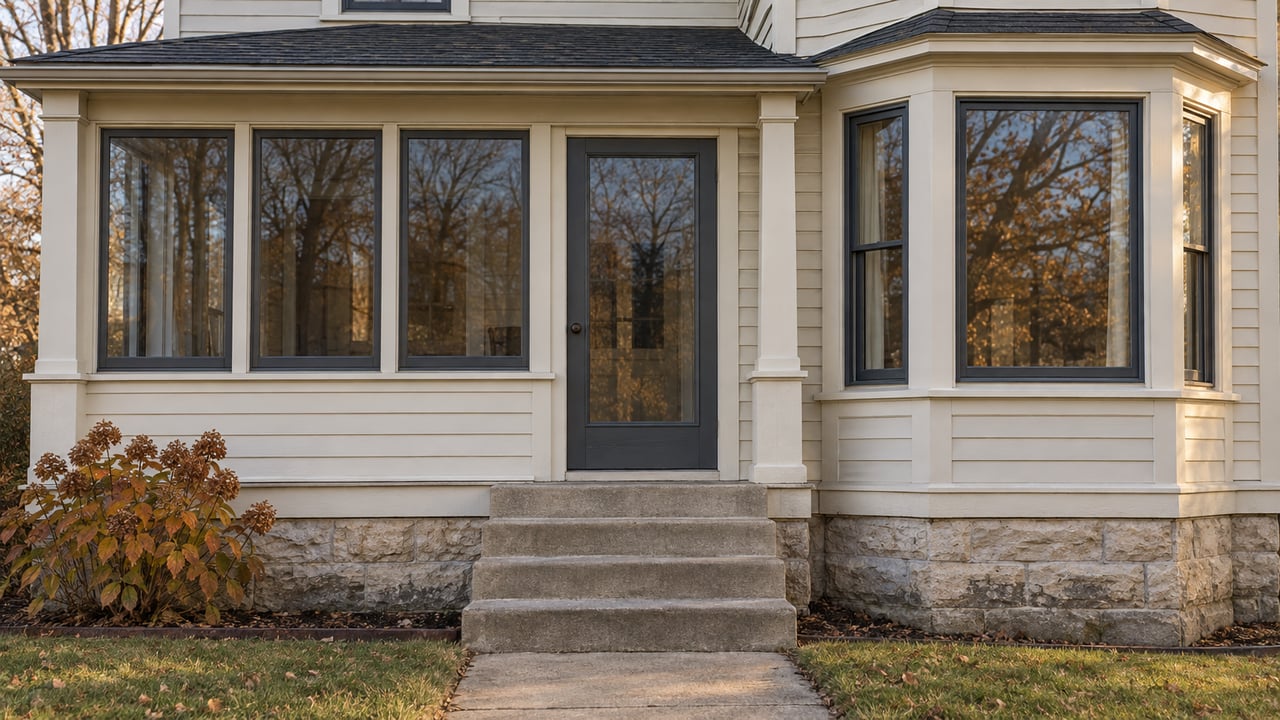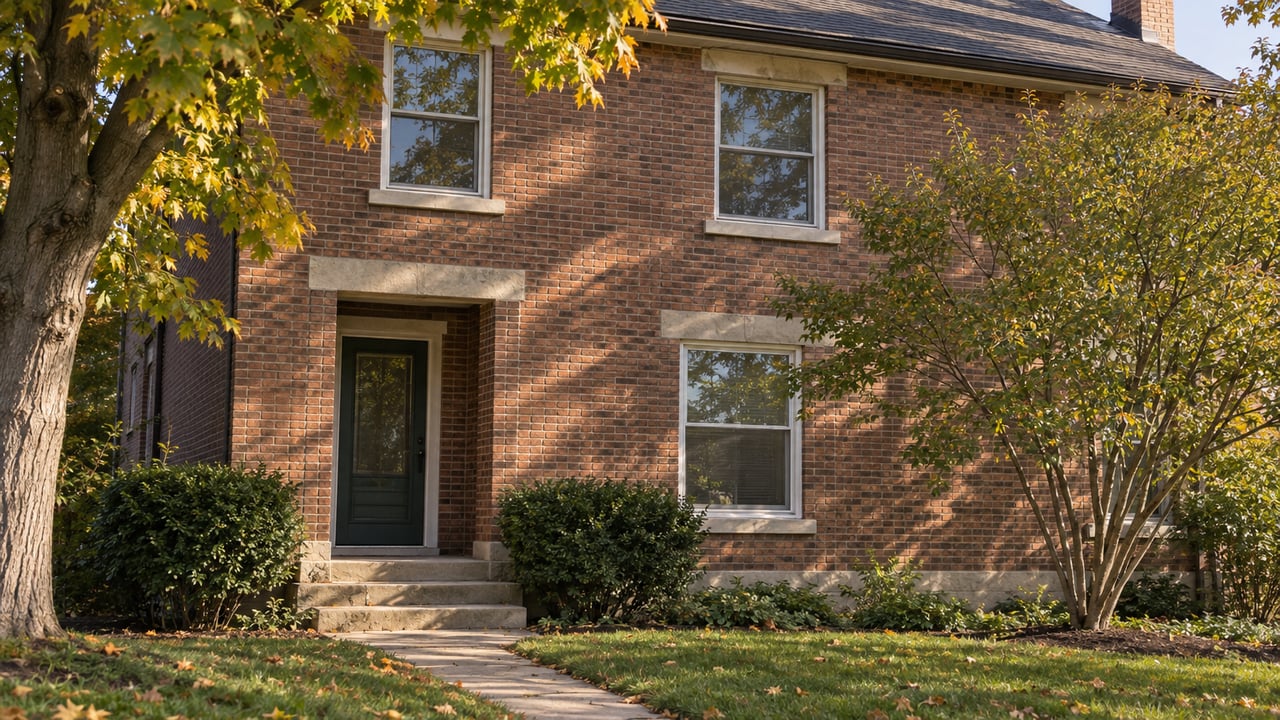
An investor closes on a two-family on the near west side in March 2026. No city inspector walks the exterior first. No punch list shows up in escrow. A year earlier, that same vacant duplex would have needed a city-scheduled exterior inspection before the deed could even be recorded. Now it doesn't. The closing feels clean. Then the investor tries to put the upstairs unit on the rental market and finds out the real gate was never at the sale. It's at the lease.
That sequence is becoming common enough to matter for anyone shopping Cleveland duplexes against the surrounding suburbs. The city genuinely did loosen a rule this year. But the rule that loosened was narrow, and the rule that still applies, hard, is the one most out-of-town buyers don't budget for until it's already slowing down their first tenant placement.
The Rule That Changed in February
Effective February 6, 2026, Cleveland eliminated the mandatory exterior inspection that had applied to the transfer of vacant one, two, and three family residential properties. The requirement lived under Section 3106.06 of the city's housing code, part of the broader Residents First program the city rolled out starting in 2024. Sally Martin O'Toole, the city's Director of Building and Housing, confirmed the change directly to the Akron Cleveland Association of Realtors: the exterior-only inspection component was being discontinued because of its limited practical value, while the underlying vacant building registration requirement stays fully in force.
That distinction matters. Registration didn't go away. Owners of vacant one-to-three unit residential parcels still pay $70 per unit annually under Ordinance 3106, still have to name a local agent in charge if they live outside Northeast Ohio, and the city still runs routine inspections on vacant structures independent of any sale. What disappeared was a single, narrow trigger: the inspection that used to fire specifically when a vacant one-to-three unit property changed hands.
What Cleveland Never Required Anyway
Here's the part that gets flattened in a lot of the investor content circulating this year. Some of it states plainly that Cleveland has no point of sale inspection, full stop, as if the February change created that condition. It didn't. The city never ran a general point-of-sale inspection program for occupied residential sales. What it required, before February, was that narrower vacant-property exterior check. For an occupied duplex with a tenant already in place, there was no city inspection gating the sale in 2025 and there isn't one now.
What the city does still require, for any one-to-four unit residential transfer, occupied or not, is a Certificate of Disclosure. According to PropCash, the Certificate of Disclosure costs $60, typically turns around in three to five business days, and the city is explicit that it is not an inspection. It's a records check: does the property have open code violations on file. That's a fundamentally different animal from what Cleveland Heights or Shaker Heights run, and conflating the two is where a lot of underwriting goes wrong before a buyer even gets to the numbers that matter.
Same County, Different Rules
Investors comparing a Cleveland duplex against one two exits over in Cleveland Heights or Shaker Heights are often comparing two different regulatory regimes without realizing it.
| City | Pre-sale inspection required | Escrow for uncorrected violations | What actually gates the closing |
|---|---|---|---|
| Cleveland | No (occupied); vacant exterior inspection ended Feb. 6, 2026 | Not applicable | Certificate of Disclosure, $60, 3-5 day turnaround |
| Cleveland Heights | Yes, all residential and commercial property types, according to the Cleveland Heights Point-of-Sale Inspections page | Yes, 125% of estimated repair cost for uncorrected Class A violations | City sign-off on the Certificate of Inspection |
| Shaker Heights | Yes, before title transfer | Yes, up to 150% of estimated repair cost | City-issued Certificate of Compliance or Inspection |
A buyer who assumes Cleveland proper works like these neighbors will overbudget for a closing delay that isn't coming and underbudget for the one that is. The suburbs make you deal with the city's punch list before you can close. Cleveland lets you close fast and hands you the punch list after, through a completely different mechanism tied to renting, not selling.
The Certification That Actually Stops a Rental
Chapter 365 of Cleveland's housing code, enacted under Ordinance No. 747-2019 and enforced since March 2021, requires a Lead-Safe Certificate for any residential rental unit built before 1978 before that unit can be legally rented, registered with the city, or even used as grounds for an eviction filing if a dispute arises. Cleveland's housing stock is old enough that an estimated 90 percent of it predates that 1978 cutoff, which means this isn't a corner case for duplex buyers. It's close to the default.
For a single-family structure the risk assessment runs $450 with updated windows or $525 if the original windows are still in place. For a two-to-four unit building, the first unit is priced at that same rate and each additional unit adds $350 to $400 depending on window condition, which brings the effective per-door cost down as unit count goes up. Cleveland Management says standard certification is valid for two years, after which the unit needs to be reassessed. Owners planning a long hold can pursue a 20-year exemption instead by passing both a standard dust-wipe test and an XRF scan with no lead detected, trading a higher upfront cost for skipping the two-year renewal cycle entirely.
None of this touches the sale itself. A buyer can close on a Cleveland duplex in a week with no city inspector on site. But that same buyer cannot legally sign a new lease, or even renew an existing tenant's certificate of rental occupancy, until the lead-safe paperwork is filed and approved.
Budgeting the Gap Between Closing and First Rent Check
This is the part that changes how a Cleveland duplex deal should actually be underwritten, and it's the piece that gets lost when the conversation stays fixed on point-of-sale rules alone.
A fast, inspection-free closing is a real advantage. In neighborhoods where duplex inventory concentrates, places like Old Brooklyn, Cudell, and Slavic Village among others, that speed can matter to a seller choosing between offers and to a buyer trying to lock a purchase price before financing conditions shift. But speed to closing isn't speed to income. If the property is vacant or the existing lease is expiring, the buyer still needs to schedule a risk assessment, wait on lab results if dust-wipe sampling is used, and in some cases complete remediation before a clearance exam can even be scheduled. That stretch, from signing at the title company to the day a Lead-Safe Certificate posts to the city's Citizen Access Portal, is real vacancy time that doesn't show up in a purchase contract or a comp sheet.
For a buyer running the numbers on a duplex in the $100,000 to $180,000 range, which is where much of Cleveland's two-family inventory trades, the difference between budgeting for a fast, near-instant close and budgeting for a fast close plus a few weeks of lead certification lag before first rent hits the account is the difference between a cash flow model that holds up and one that quietly assumes income a month or two before it can legally exist. The rule that got easier this year was never the one holding up rent checks. The one that still applies is.
Frequently Asked Questions
Does the February 2026 change apply to occupied Cleveland duplexes, not just vacant ones? No. The change only removed the exterior inspection requirement for vacant one-to-three unit residential properties. Occupied properties were never subject to that inspection in the first place, so nothing changed for them.
If I buy a duplex that already has a current Lead-Safe Certificate from the previous owner, do I need a new one? Confirm the certificate's expiration date and status through the city's Citizen Access Portal before assuming it transfers cleanly with the sale.
Is the Certificate of Disclosure the same thing as a point-of-sale inspection? No, and the city is explicit about this. The Certificate of Disclosure is a $60 records check on open code violations, not a physical inspection, and it applies to any one-to-four unit residential transfer regardless of occupancy status.
Do I need Lead-Safe Certification if I plan to owner-occupy one unit of the duplex myself? The requirement applies to rental units. A unit you occupy yourself doesn't trigger it, but any unit you rent out in a pre-1978 building still needs the certification before that unit can legally be leased.
Cleveland's duplex market rewards buyers who know exactly where the friction sits, not just whether it exists. If you're comparing a two-family in Cleveland against one in Cleveland Heights, Lakewood, or Shaker Heights and want the real underwriting picture, not just the headline rule, Iconic Partners Group can walk you through what a specific property will actually cost to close and to legally rent.
This article is general information, not legal, tax or financial advice. Consult a qualified professional about your situation.