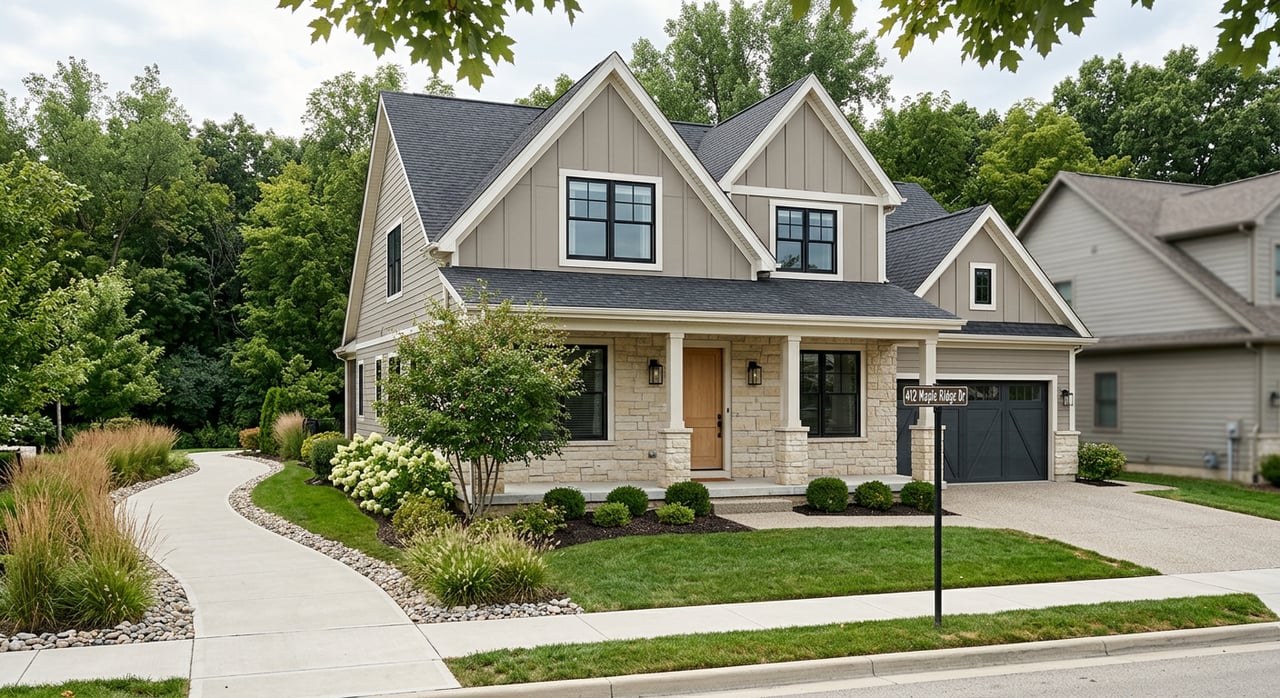
Choosing a neighborhood in Avon can feel like a puzzle. You want the right mix of amenities, low‑stress upkeep, and a community that fits your lifestyle. If you’re weighing HOA‑managed, master‑planned communities against more traditional streets, you’re in the right place. In this guide, you’ll learn how Ohio planned communities work, what to expect from HOAs, and how Avon’s neighborhoods compare so you can buy with confidence. Let’s dive in.
What “master‑planned” means in Ohio
In Ohio, a planned community is a residential development where membership in an owners association is required and the community maintains shared property or facilities. The state framework is set by Ohio’s Planned Community Law in Chapter 5312 of the Ohio Revised Code. You can read the definition in Section 5312.01.
For you, this means many Avon subdivisions created under a recorded plan will have declarations and bylaws on file, a board of directors, and regular assessments that fund maintenance and amenities. City records, like final plats and council approvals, confirm a subdivision’s legal status and whether improvements were accepted by the City of Avon.
How HOAs work in Avon planned communities
Recorded documents control
Planned communities must record a declaration and bylaws with the county. These documents create membership and spell out use rules, assessments, and architectural standards. Always review the recorded declaration, bylaws, and any amendments. See Section 5312.02.
Budgets, reserves, and records
Associations adopt an annual budget and must include reserves for major repairs or replacements unless owners formally waive them. Boards keep financial records and minutes, and may hire professional managers. See Section 5312.06.
Insurance and fidelity coverage
Ohio requires insurance on common elements and fidelity coverage for anyone handling association funds. Coverage limits are tied to the maximum funds under control plus three months of operating expenses. Details are in Section 5312.06.
Assessments and enforcement
HOAs can levy assessments, charge late fees, and enforce rules within the procedure set by law and the declaration. Notice and hearing rules for enforcement assessments are in Section 5312.11.
Avon neighborhoods at a glance
Below are representative master‑planned neighborhoods in Avon. Amenity lists often come from developer or broker marketing and can change, so verify any item and fee in the current HOA documents or with the seller.
Stonebridge Creek
A large northwest Avon community with builder phases and a mix of lot sizes. Amenities commonly listed include an Olympic‑size pool, wading pool, clubhouse or party room, multiple playgrounds, and ponds and greenspace. Past listings have shown an approximate annual HOA fee near $550, but always confirm the current amount directly with the HOA.
Red Tail
A higher‑end, golf‑centered community with an 18‑hole championship course, a renovated clubhouse that typically offers dining and fitness, a junior Olympic pool, and tennis or pickleball courts. Homes often back to fairways or ponds, with price points reflecting the private‑club style amenities.
The Reserve at Mass Estates
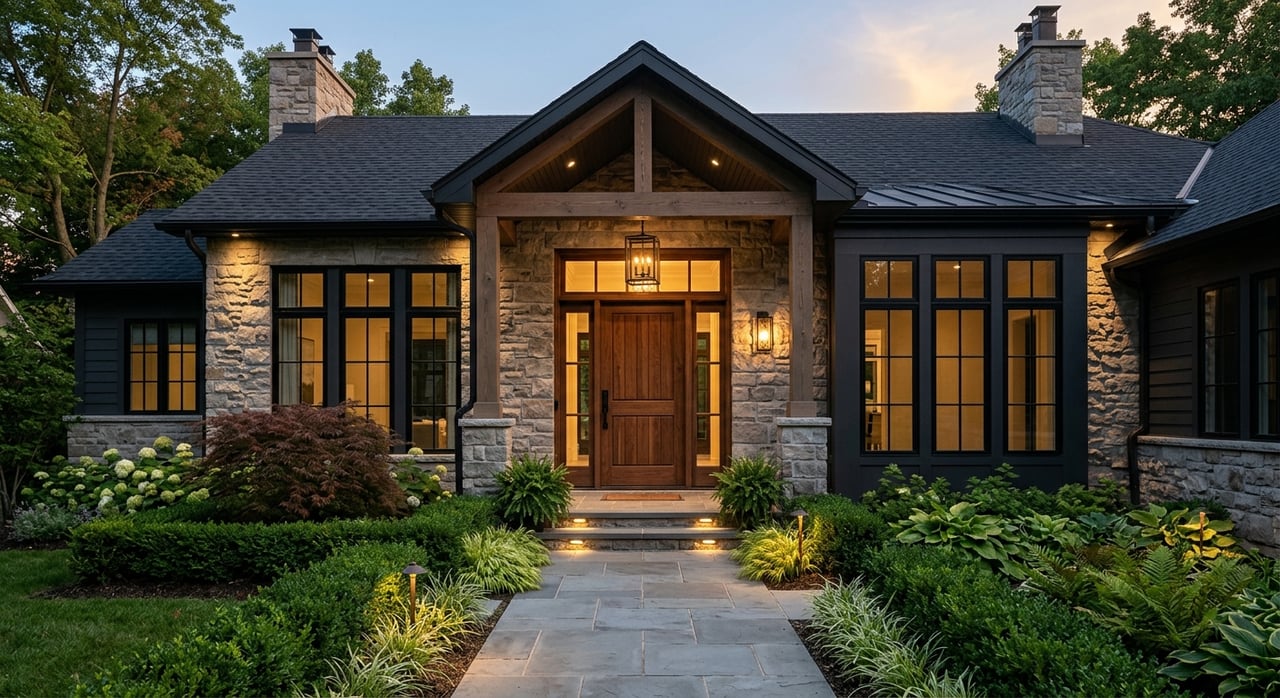
Newer custom and small‑lot homes with modern floor plans and high‑end finishes. City Council accepted the subdivision’s final plat and improvements, which confirms municipal standards for public infrastructure. See the City’s ordinance for The Reserve at Mass Estates acceptance in Ordinance No. 113‑20. Builder materials show lots around 0.34 to 0.59 acres; explore a sample plan on NewHomeSource.
Fieldstone Landings
A multi‑phase subdivision with final plat approvals and subdivider agreements on file with the City of Avon. Amenities can vary by phase and are typically outlined in the recorded declaration. You can view a City exhibit tied to approval in this document.
Other options
Avon also includes smaller or older subdivisions like Creekview Estates, Woodbridge Estates, and Stone Wheel Estates. Some are more traditional and may have smaller or no mandatory HOAs. If you prefer city maintenance of roads and utilities, verify dedication in the final plat or council acceptance. A sample of a city acceptance record is available here.
Typical amenities and HOA structures
Common amenities you may see
- Community pools, wading pools, and a clubhouse or party room
- Golf, clubhouse dining, fitness facilities, and racket courts
- Neighborhood parks, playgrounds, ponds, and landscaped open spaces
- Sidewalks, walking or bike paths, and connections to nearby parks or trails
Amenities are features of the development and may be maintained by a master association, a sub‑association, or both. Always use the declaration to confirm what is included.
How HOAs are organized
- Master HOA and sub‑associations. Larger developments may have a master association that handles major amenities and landscape corridors, with sub‑associations for clusters or maintenance‑provided homes. Review who pays for what, and how. See board powers in Section 5312.06.
- Governance documents. Expect a recorded Declaration of Covenants, Conditions and Restrictions, Bylaws, and any amendments, plus rules, design guidelines, budgets, reserve studies, and meeting minutes. Recording requirements appear in Section 5312.02.
- Financial health. Ask for the current budget, reserve study or schedule, year‑to‑date financials, and accounts receivable aging. Ohio requires associations to keep complete books and include reserves in budgeting unless waived by owners. See Section 5312.06.
Master‑planned vs. traditional Avon streets
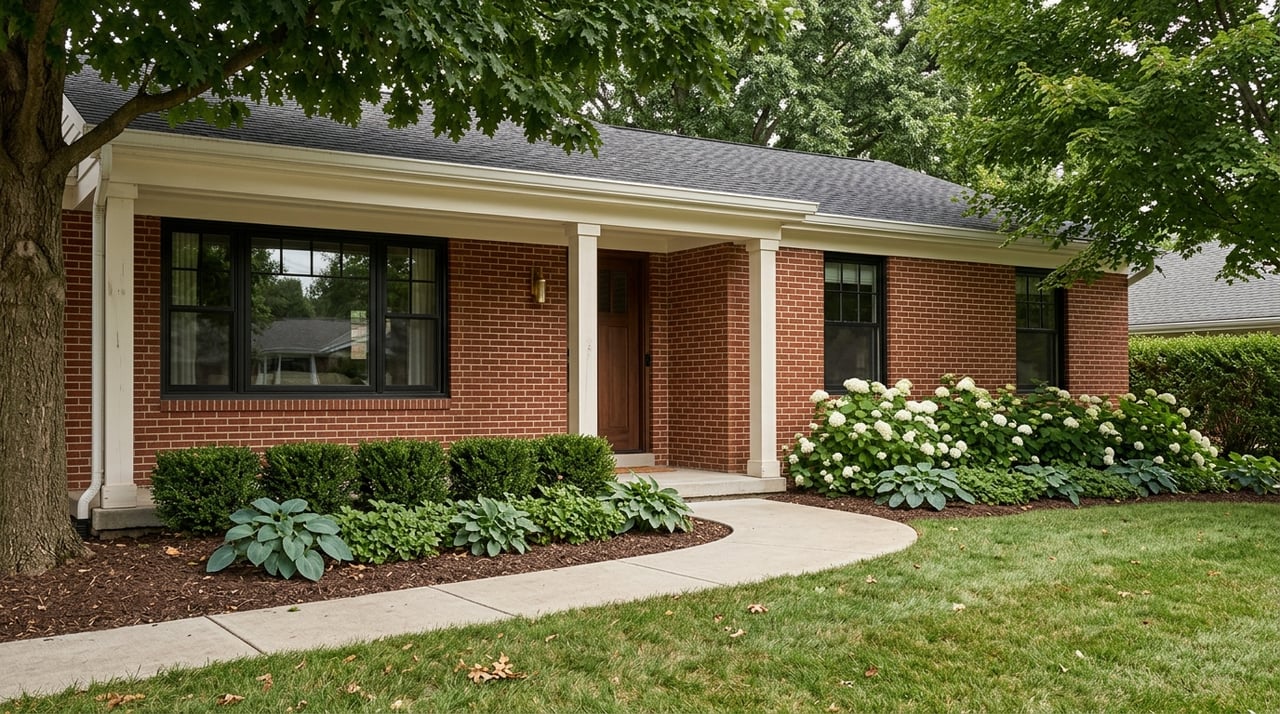
Master‑planned neighborhoods often show consistent architecture and coordinated elevations because they were built in phases by one or a few builders. Traditional streets in older parts of Avon can have more one‑off or custom homes with varied exterior styles.
Lot sizes in master‑planned areas can be mixed, with smaller lots closer to amenities and larger or premium lots on edges or cul‑de‑sacs. At The Reserve at Mass Estates, builder materials show lots around 0.34 to 0.59 acres, which is useful if you want more outdoor space. See a plan example on NewHomeSource.
Street patterns in master‑planned communities often include curving streets, cul‑de‑sacs, and pedestrian connectors. If you want city maintenance of roads, verify whether streets and utilities were dedicated to the City of Avon by checking final plats and council acceptances.
Buyer checklist for Avon planned communities
Use this quick list to stay focused as you compare neighborhoods.
Documents to request early
- Recorded Declaration/CC&Rs, Bylaws, Articles, and any amendments. See recording requirements in Section 5312.02.
- Current budget, most recent financials, reserve study or schedule, and year‑to‑date statements. See Section 5312.06.
- Rules and design guidelines, plus the architectural review process and timelines. Use this HOA document request overview to help organize your asks.
- Meeting minutes for the last 12 to 24 months and the latest annual meeting notice or ballot results. See record‑keeping in Section 5312.06.
- Statement of unpaid assessments for the specific lot and any notice of planned special assessments. See Section 5312.11.
- Management agreement and key vendor contracts, if applicable. See board powers and duties in Section 5312.06.
- Insurance certificates for common elements and fidelity/crime coverage. Requirements appear in Section 5312.06.
- Final plat or council acceptance showing whether roads and common areas were dedicated to the City. See the City’s acceptance example for Mass Estates in Ordinance No. 113‑20.
Red flags to escalate
- No recent reserve study, low or zero reserves, or frequent special assessments
- High delinquency on assessments or active collection and lien activity
- Ongoing board or management litigation or frequent contested votes in minutes
- Restrictions that conflict with your plans, such as rental caps or exterior limits
Smart timing for your offer
- Ask your agent to request the HOA resale package and financials early.
- Include a clear contingency that gives you time to review HOA documents and cancel if needed. Many buyers use 7 to 14 calendar days, or the time needed to consult an attorney. You can use this HOA document request guide to track what to review.
Get local guidance you can trust
Choosing the right Avon neighborhood is easier when you have a clear view of the HOA’s rules, reserves, and amenities. If you want help lining up documents, reading budgets and reserves, or comparing master‑planned options to traditional streets, our team is ready. Connect with Iconic Partners Group to tour communities, request HOA packages, and secure a smooth path to closing.
FAQs
What is a planned community in Ohio?
- It is a residential development where owners must be members of an HOA that maintains shared property or facilities, as defined in ORC 5312.01.
Are HOAs mandatory in Avon master‑planned neighborhoods?
- If the recorded declaration requires membership, yes. Membership and obligations come from the recorded documents and are recognized under Ohio law.
Can an HOA in Avon charge assessments or fines?
- Yes, within the declaration and bylaws and with proper notice and hearing procedures. See enforcement rules in ORC 5312.11.
What HOA financials should I review before buying?
- Ask for the current budget, reserve study or schedule, year‑to‑date financials, accounts receivable aging, and any special assessment notices. See requirements in ORC 5312.06.
How do I confirm if roads are public in an Avon subdivision?
- Check the final plat and City Council acceptance. Municipal acceptance documents show if roads and utilities were dedicated to the City, like the example in Ordinance No. 113‑20.