Thinking about buying a Cleveland duplex but not sure where to start? You’re not alone. Duplex investing on the city’s west side can offer steady demand and value opportunities, yet the details around zoning, rental registration, rents, and ROI matter a lot. In this guide, you’ll learn how to confirm a property’s legal use, estimate achievable rents by submarket, run simple numbers, and complete smart due diligence before you make an offer. Let’s dive in.
Cleveland duplex basics
Common duplex types you’ll see
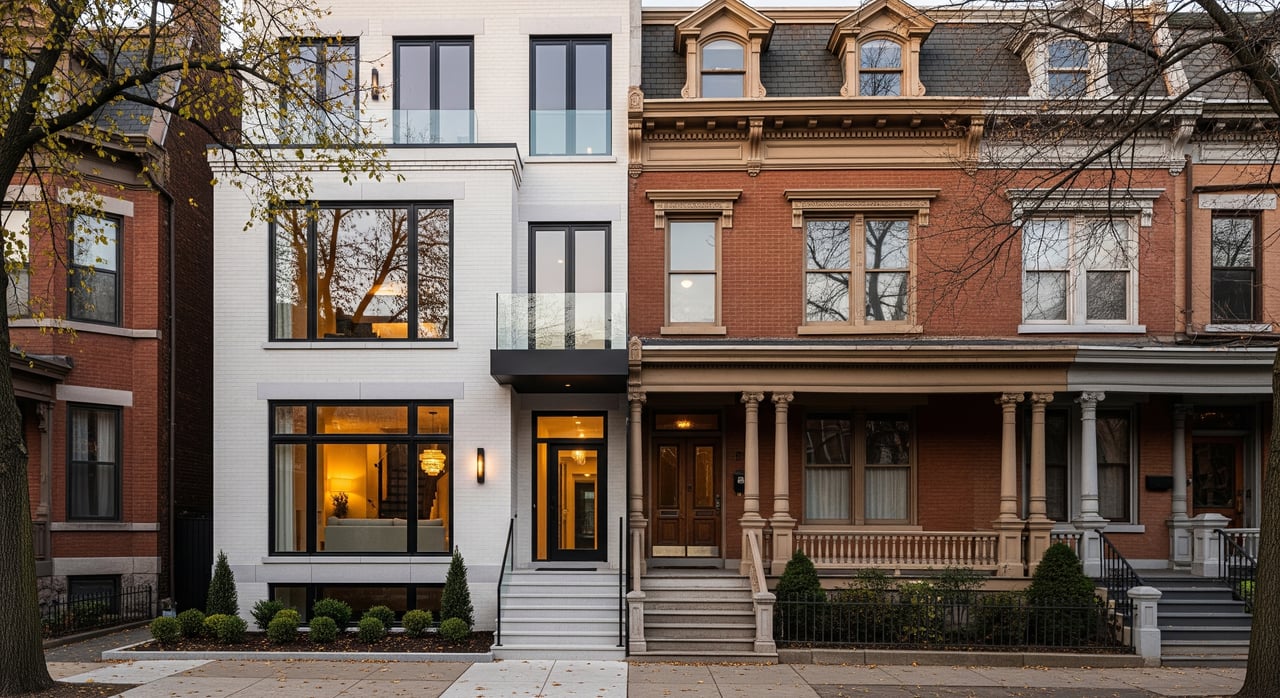
- Up‑down: One unit per floor. This is very common in older Cleveland housing and often offers separate entrances.
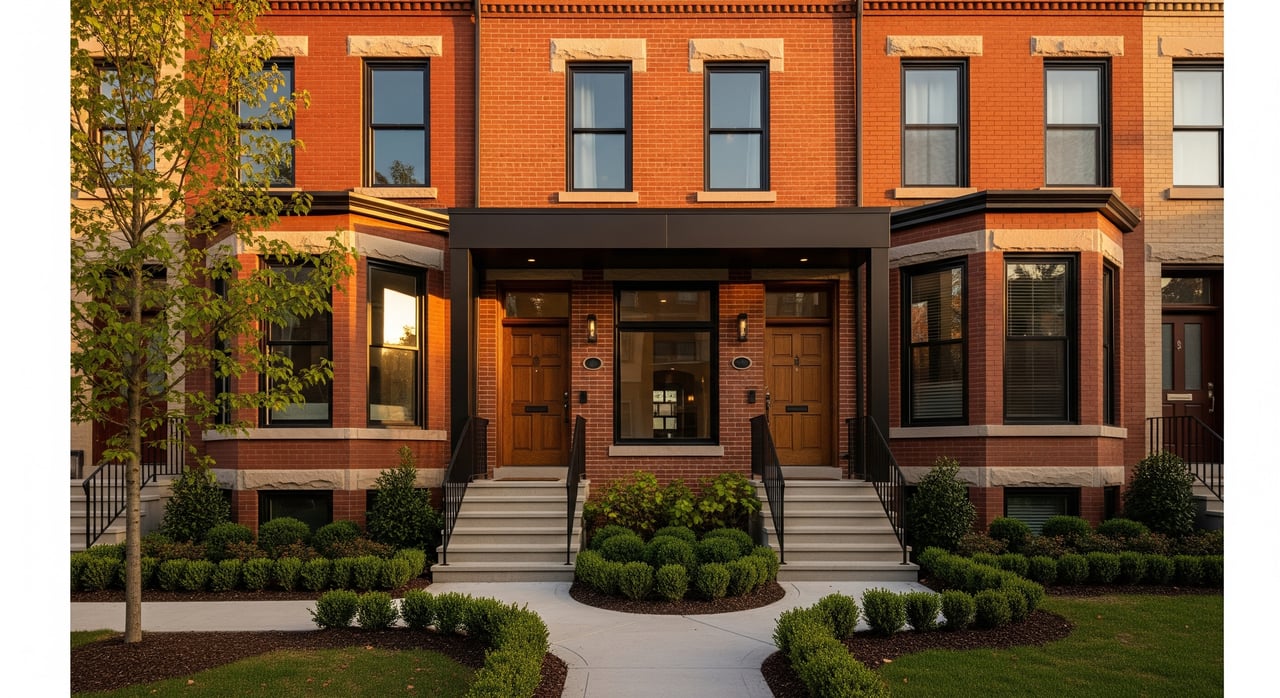
- Side‑by‑side: Mirror‑image units with separate doors, and sometimes separate addresses.
- Conversions: Single‑family homes that were turned into two units, plus occasional attic or basement units. Some are legal, some are not, so always verify status.
- Mixed‑use: Street‑level commercial with a residential unit above, especially near active corridors.
Age and condition patterns
- Closer‑in west‑side neighborhoods like Ohio City, Tremont, and Detroit‑Shoreway often feature late‑19th to early‑20th‑century buildings. Expect wood framing, brick facades, and aging systems that may need updates.
- Outlying areas like Old Brooklyn, West Park, and Stockyards/Clark‑Fulton mix older worker housing with mid‑century homes. Rehab needs vary, and maintenance profiles can differ from street to street.
- Older properties can deliver yield, but they can also require more capital for code compliance, electrical, porch and foundation repairs, or lead‑safe work.
What drives demand
- Proximity to downtown, hospitals, and universities supports steady interest for smaller, modernized units.
- Transit‑served legacy neighborhoods draw longer‑term renters who value convenience and price.
- Value‑oriented pockets like Stockyards/Clark‑Fulton often attract price‑sensitive renters, which can mean stronger gross yields if you manage rehab and turnover thoughtfully.
Zoning and rental registration: What to verify
Getting the paperwork right is essential in Cleveland. A unit that looks like a duplex is not always a legal two‑family.
Confirm legal two‑family use
- Check with the City of Cleveland’s Planning and Zoning offices to verify whether two‑family use is permitted for the parcel and structure.
- Ask about overlay districts or nonconforming use and whether any special approvals apply.
- If there is uncertainty about occupancy, request written confirmation from the city.
Rental registration and inspections
- Cleveland maintains rental registration and periodic inspection requirements for rental dwellings.
- Verify the property’s rental registration status and whether there are outstanding violations or orders with the City’s Division of Building & Housing.
- Confirm unit count and occupancy limits before you underwrite or advertise a unit.
Permits, certificates, and prior work
- Review the permit history to see if past modifications were properly permitted and inspected.
- Check for a certificate of occupancy when applicable, especially for mixed‑use and conversions.
- Look for open code enforcement actions and resolve them in your underwriting.
Lead and landlord‑tenant rules
- For homes built before 1978, federal lead‑based paint disclosure rules apply. If you plan renovations, EPA RRP requirements may apply.
- Ohio landlord‑tenant statutes (Ohio Revised Code Chapter 5321) govern deposits, notices, and eviction procedures. Cleveland has local administrative processes you should understand before closing.
Where to find authoritative answers
- City of Cleveland Division of Building & Housing for rental registration, inspections, and permits.
- City Planning and the official zoning map for permitted uses and overlays.
- Cuyahoga County Fiscal Office for parcel details, tax history, and recent sales.
- County court databases for code actions, liens, and case history tied to the property.
Estimating west‑side rents
Accurate rents drive your entire pro‑forma. Pull data from multiple sources and normalize for unit size, condition, and utilities.
Reliable sources and how to use them
- Live listings and rental portals show what similar units are asking right now. Filter by bedroom count, square footage, and what utilities are included.
- Rent data aggregators can help you spot broader city trends and medians.
- HUD Fair Market Rents provide a conservative baseline for affordability comparisons.
- Local MLS data and property managers often give the most precise duplex‑level comps. On‑the‑ground checks add valuable context.
West‑side rent patterns to use as a starting point
- Ohio City and Tremont: Often the highest rents on the west side thanks to proximity to downtown and amenities. Renovated units tend to be smaller but in demand.
- Detroit‑Shoreway and Edgewater: Strong appeal due to access to Edgewater Park and the lake. Renovated units near the park can command higher rents.
- Mid‑range near‑west pockets: Mixed housing stock around areas like Gordon Square and near hospitals often attracts mid‑range rents.
- Value pockets: West Park, Old Brooklyn, and Stockyards/Clark‑Fulton typically sit at the lower end of the rent spectrum, which can pencil well on cash flow if you manage vacancy and turnover.
A simple comping process
- Pull 8 to 12 recent comparable rentals within a tight radius of your target property.
- Find 3 to 5 closed rents, if available, to confirm where leases actually landed.
- Normalize for unit size, bedroom count, condition, parking, and whether utilities are included.
- Adjust for proximity to amenities and transit.
- Use the lower quartile for conservative underwriting, then stress‑test for higher vacancy or repair costs.
Vacancy and turnover
- Downtown‑proximate neighborhoods often lease faster and sit at lower vacancy.
- Price‑sensitive areas can carry longer days on market and higher turnover costs. Budget for make‑ready and leasing expenses accordingly.
Simple ROI math you can trust
You do not need complex spreadsheets to get a quick read on a duplex. Start with a few core metrics, then refine.
Key formulas to know
- Gross scheduled rent (annual) = Sum of annual rents for all units at full occupancy.
- Effective gross income (EGI) = Gross scheduled rent × (1 − vacancy rate) + other income.
- Net operating income (NOI) = EGI − operating expenses.
- Capitalization rate (cap rate) = NOI ÷ purchase price.
- Cash‑on‑cash return = Annual pre‑tax cash flow ÷ total cash invested.
- Debt service coverage ratio (DSCR) = NOI ÷ annual mortgage payments.
A hypothetical pro‑forma example
Assumptions for an example duplex:
- Purchase price: $150,000
- Total rent: $1,200 per month for both units combined, or $14,400 per year
- Vacancy allowance at 7%: Effective rent = $14,400 × 0.93 = $13,392
- Annual expenses:
- Property taxes: $2,000
- Insurance: $800
- Maintenance and repairs at 6% of gross rent: ≈ $864
- Management at 8% of gross rent: ≈ $1,152
- Owner‑paid utilities: $1,200
- Total operating expenses: ≈ $6,016
- NOI = $13,392 − $6,016 = $7,376
- Cap rate = $7,376 ÷ $150,000 ≈ 4.9%
- Financing example: 25% down ($37,500), loan of $112,500; approximate P&I on a 30‑year mortgage at an illustrative 6% ≈ $674 per month → annual debt service ≈ $8,088
- Pre‑tax cash flow = $7,376 − $8,088 = −$712
- Cash‑on‑cash return = −$712 ÷ $37,500 ≈ −1.9%
How to interpret the example
- At these assumptions, cash flow is negative. To turn this positive, you would need higher rents, a lower purchase price, a different loan structure, or tighter expense control.
- In older urban neighborhoods, cap rates can compress if prices rise faster than rents. Underwriting discipline matters.
- Always run best, likely, and worst‑case scenarios. Stress‑test vacancy, repairs, and interest rates.
Due diligence checklist
Pre‑offer checks
- Parcel search at the Cuyahoga County Fiscal Office: confirm ownership, parcel details, and tax history.
- City of Cleveland Building & Housing: verify rental registration, any open violations, certificate of occupancy, and permit history.
- Zoning verification with City Planning: confirm two‑family use and any overlay or parking requirements.
- Rent comps: compile 8 to 12 live comps and 3 to 5 closed rents, adjusted for size, condition, and utilities.
- Neighborhood checks: review local crime maps, visit at different times of day, note transit access and proximity to employment centers.
- Court records: search the county clerk of courts for liens or code enforcement actions tied to the property or prior owners.
- Utilities: request recent bills and clarify who pays what.
- Lead and systems: for pre‑1978 properties, plan for lead‑safe disclosures and consider lead‑related scopes if you will renovate.
Inspections and contingencies
- Order a full inspection with an inspector experienced in older Cleveland construction, including roof, foundation, HVAC, electrical, and plumbing.
- If units are occupied, structure an inspection contingency that respects notice requirements and clarifies access.
- Review existing leases, security deposits, rent payment history, and tenant status.
Closing and after you close
- Confirm rental registration transfer or new registration requirements with the city.
- Set aside an initial reserve for code compliance and immediate repairs.
- If you are not local, finalize your operations plan before closing day.
Practical tips for out‑of‑state investors
- Start with a local partner who knows duplexes, city processes, and neighborhood nuances.
- Budget for deeper due diligence and plan to visit in person during inspection and appraisal.
- Build a rehab and vacancy cushion. Older properties can reveal deferred maintenance once you begin work.
- Underwrite conservatively. Use lower‑quartile rents from your comps and higher vacancy and repair assumptions until you have local performance history.
Next steps
Cleveland’s west side offers a range of duplex options, from renovated two‑flats near the lake to value plays in legacy neighborhoods. If you verify legal use, pull solid rent comps, and run disciplined numbers, you can spot opportunities that fit your goals and risk tolerance. If you want local guidance on specific streets, comps, and compliance steps, our team is here to help.
Ready to evaluate a Cleveland duplex with neighborhood‑level insight and clear numbers? Connect with Iconic Partners Group for buyer representation, valuations/CMAs, and neighborhood advisory tailored to your investment plan.
FAQs
What should I verify before buying a Cleveland duplex?
- Confirm legal two‑family use with City Planning, check rental registration and inspection status, review permit history, and pull tax and lien records from the county.
How do I estimate rents for a west‑side Cleveland duplex?
- Pull 8 to 12 nearby comps, adjust for size, condition, and utilities, add 3 to 5 closed rents if available, and use conservative figures for underwriting.
Which west‑side neighborhoods tend to have higher duplex rents?
- Ohio City and Tremont often lead the west side, with Detroit‑Shoreway and Edgewater also strong, especially for renovated units near amenities.
Where can I confirm rental registration and open violations in Cleveland?
- Contact the City of Cleveland Division of Building & Housing to verify rental registration status, inspections, and any outstanding orders.
What expenses should I include in a duplex pro‑forma in Cleveland?
- Vacancy allowance, maintenance and repairs, management, property taxes, insurance, owner‑paid utilities, and reserves for capital expenditures.
How can out‑of‑state investors reduce risk when buying in Cleveland?
- Partner locally, plan deeper due diligence, set conservative rent and vacancy assumptions, and budget a reserve for code compliance and repairs.