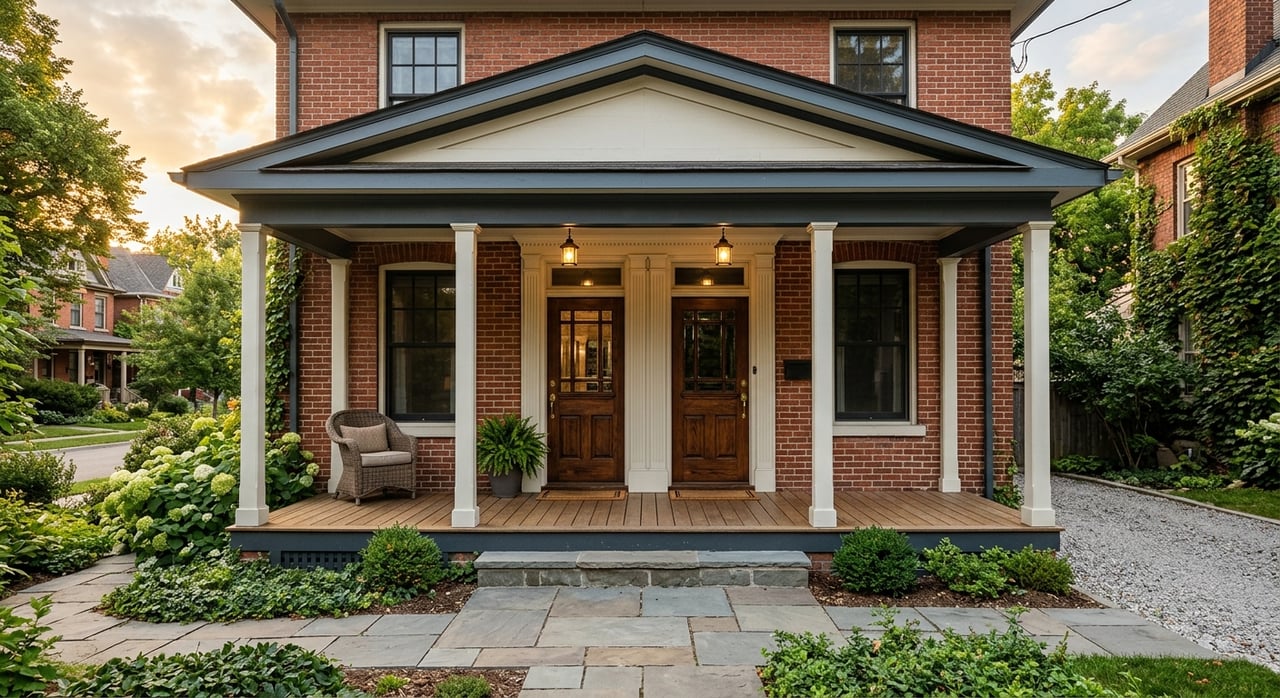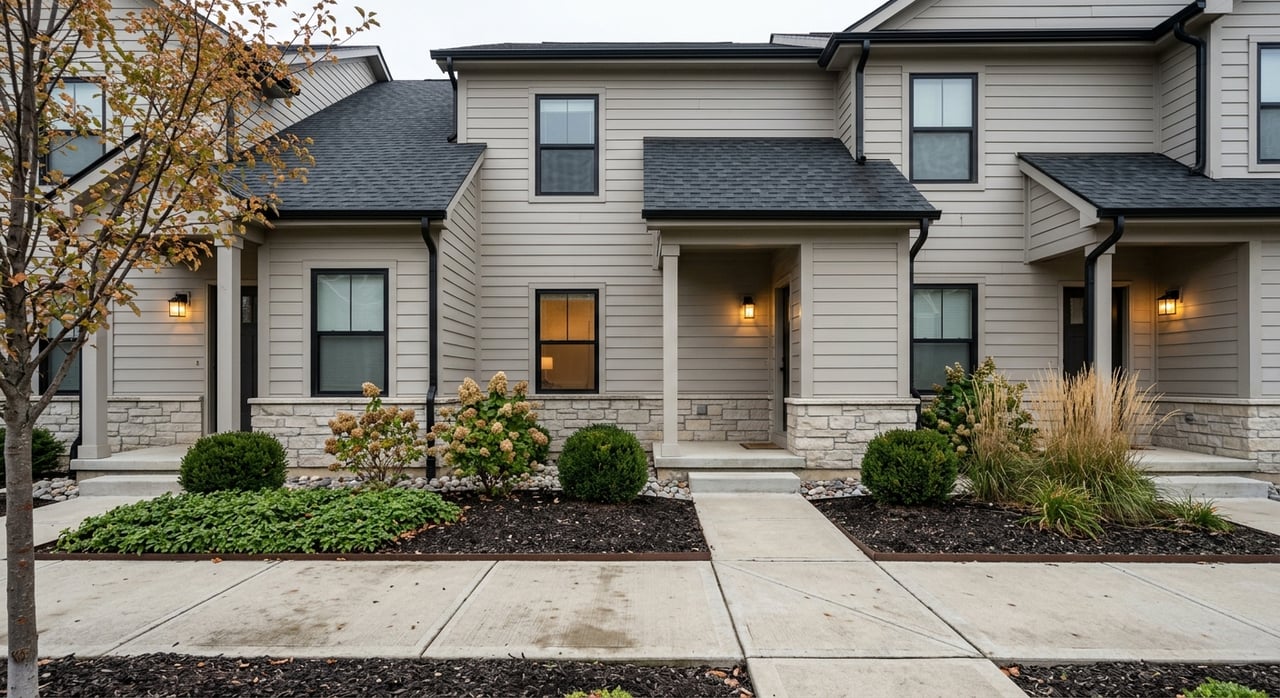
Wondering whether a Westlake “maintenance-free” community really means no maintenance at all? That question trips up a lot of buyers, especially when condos, townhome-style homes, and HOA neighborhoods can look similar from the street but work very differently on paper. If you are comparing low-maintenance options in Westlake, this guide will help you understand ownership, fees, responsibilities, and the questions that matter most before you buy. Let’s dive in.
Why Westlake low-maintenance living can be confusing
In Westlake, buyers often compare condominiums, townhome-style communities, and single-family neighborhoods with a homeowners association. The challenge is that the building style does not always tell you the legal ownership structure.
In Ohio, a condominium gives you exclusive possession of your unit plus an undivided interest in the common elements. A planned community is different. It is a separate legal structure where you typically own an individual lot and home, while the association handles shared property based on the recorded documents.
That distinction matters because your maintenance duties, insurance obligations, and monthly fees can change depending on whether you are buying into a condo or a planned community. A townhome may be a condo, or it may sit in a planned community, so you need to look past the exterior design and review the documents.
Condo vs HOA ownership in Ohio
How a condominium works
In an Ohio condominium, you generally own the interior unit and share ownership of the common elements with other owners. The association administers the property and, unless the declaration says otherwise, handles repair or restoration of damaged common elements.
Ohio law also requires condo associations to carry certain insurance, and those costs are treated as a common expense. That is one reason condo dues may be higher than buyers expect at first glance.
How a planned community works
In an Ohio planned community, the setup is usually closer to traditional homeownership. Unless the declaration says otherwise, the association is generally responsible for reasonable maintenance, repair, and replacement of common elements, while you are usually responsible for your lot, your dwelling, and the utility lines that serve it.
Planned communities also have formal recordkeeping obligations under Ohio law. Associations are required to keep books, records, minutes, and owner lists, which can be important when you are reviewing the health and operation of the community.
Why the legal structure matters
Both condo and planned community associations can enforce declarations and rules, charge assessments and late fees, and impose charges for violations or damage. In planned communities, the board must assess common expense liability at least annually based on an adopted budget.
For you as a buyer, the takeaway is simple: do not assume two similar-looking properties come with the same responsibilities. The governing documents control who fixes what, who insures what, and what you pay for each month.
What HOA and condo fees usually cover
Monthly association dues are usually paid directly to the association, not through your mortgage servicer. Costs can vary widely, from a few hundred dollars per month to more than $1,000, depending on the community and what is included.
In many condo communities, the monthly fee often covers exterior repairs and common-area maintenance. It may also include water, sewer, trash, recreational amenities, insurance, or reserves.
Ohio condo law also allows certain expenses to be treated as common expenses, including items such as rubbish removal, roads, entrances, recreation facilities, landscaping, grounds care, and legal, accounting, or management costs. That helps explain why two Westlake communities with homes at similar price points can have very different dues.
Why fees vary so much between communities
A higher monthly fee does not automatically mean a worse deal. It may mean the association is taking on more services, more insurance obligations, or more long-term reserve planning.
A lower fee can look attractive, but it may also mean you are responsible for more upkeep yourself or that the community has limited reserves. The better question is not whether the dues are high or low. The better question is what those dues actually buy you.
Westlake lifestyle tradeoffs to understand
Low-maintenance living in Westlake can make day-to-day ownership easier, but it does not eliminate responsibility. It shifts some tasks from you to the association, usually in exchange for dues, rules, and shared decision-making.
That matters because Westlake residents still follow city rules even outside an HOA. The city says lawn height must stay under six inches, sidewalk snow and ice must be cleared to a minimum width of eighteen inches, and city-owned streets and sidewalks are maintained by the road crew.
In a maintenance-focused community, some exterior work may be handled at the community level instead of by each homeowner. At the same time, associations can regulate maintenance, repair, replacement, modification, and appearance of common elements, and some planned-community boards may suspend voting privileges and recreation access for owners who are more than 30 days delinquent.
The practical point is this: low-maintenance living is really about paying for convenience and shared oversight. It is not the same as having no obligations at all.
What to review before buying in Westlake
Confirm what the monthly fee includes
Start with the basics. Ask for a clear breakdown of what the fee covers, such as:
- Landscaping
- Snow removal
- Roofs
- Siding
- Water
- Sewer
- Trash
- Insurance
- Reserve funding
- Parking
- Amenities
You also want to know what the master insurance policy covers. That can affect your out-of-pocket risk and the type of personal insurance you may need.
Review reserves and special assessments
A well-run association plans for future repairs, not just current bills. Ask whether there is a reserve fund, whether there has been a reserve study, and whether any special assessments are pending.
Ohio condo disclosure law requires information about reserve funds, projected operating and maintenance costs, insurance, utilities, and other fees. That makes reserve review a key part of your due diligence.
Ask about lawsuits and financing concerns
Not every issue is visible during a showing. Lenders may review a community’s physical condition, financial stability, structural debts, and pending lawsuits, all of which can affect financing.
If a community has unresolved issues, that can influence your loan options, your timeline, or your comfort level with the purchase. It is better to ask early than to be surprised later in escrow.
Clarify repair responsibilities
This is one of the biggest points of confusion for buyers. Ask who is responsible for the roof, exterior walls, driveway, private road, utility lines, and interior repairs.
Ohio law splits responsibility differently between condos and planned communities, and the declaration can change the details. You want a specific answer tied to the actual documents, not a general impression.
Understand the rules before you commit
Community rules can shape your daily experience. Ask what restrictions apply to pets, leasing, parking, and exterior changes.
If you are planning updates, ask what modifications are allowed and what requires approval. A home that seems like a perfect fit can feel different if the rules do not match how you want to live.
Request the key documents
Before closing, ask to review the declaration, bylaws, budget, minutes, insurance information, and resale or disclosure materials. In Ohio, planned-community owners can inspect books, records, and minutes subject to reasonable standards, and condo purchasers receive disclosures covering key items such as reserve information, management provisions, and litigation.
Those documents tell you far more than a listing description ever will. They can reveal whether the community is proactive, underfunded, highly regulated, or generally aligned with your expectations.
A simple way to compare Westlake communities
If you are deciding between several Westlake options, compare them across the same categories:
- Ownership structure: condo or planned community
- What the monthly dues cover
- Reserve funding and any pending assessments
- Insurance responsibilities
- Exterior maintenance responsibilities
- Rules for use and appearance
- Access to records and recent meeting minutes
This side-by-side approach makes it easier to see the real tradeoffs. It also helps you avoid focusing only on list price while missing the bigger ownership picture.
The bottom line for Westlake buyers
When you shop for a low-maintenance home in Westlake, the main issue is not whether the property looks like a condo, a townhome, or a traditional house. The real question is what the recorded documents say about ownership, maintenance, insurance, reserves, and rules.
The more tasks an association takes on, the more you are paying for shared upkeep and shared risk management. The less the association does, the more you need to budget your own time and money for ongoing care and future repairs.
If you want help comparing Westlake condos, HOA neighborhoods, or maintenance communities, Iconic Partners Group can help you sort through the details and find the right fit for your lifestyle and budget.
FAQs
What is the difference between a condo and an HOA community in Westlake?
- In Ohio, a condo usually means you own your unit and share ownership of common elements, while a planned community usually means you own your lot and home and share responsibility for common property through the association.
What do HOA or condo fees usually cover in Westlake communities?
- Fees may cover items like exterior maintenance, common-area care, water, sewer, trash, insurance, reserves, landscaping, snow removal, parking, or amenities, but coverage varies by community.
Are HOA dues included in your mortgage payment for a Westlake home?
- HOA and condo dues are usually paid directly to the association rather than through your mortgage servicer.
What documents should you review before buying in a Westlake maintenance community?
- Ask to review the declaration, bylaws, budget, meeting minutes, insurance information, and any resale or disclosure package before closing.
Who handles exterior repairs in a Westlake condo or planned community?
- The answer depends on the ownership structure and the governing documents, so you should confirm responsibility for roofs, siding, driveways, utility lines, and common areas before you buy.
Do Westlake homeowners still have city maintenance obligations outside HOA rules?
- Yes. Westlake rules still apply, including lawn height limits and sidewalk snow and ice clearing requirements, even if you live in a community with an association.