Wondering if a Lakewood century home is all charm and no compromises? The truth is, living in one can feel special and practical at the same time, but only if you understand what comes with an older house in a dense, walkable city. If you are thinking about buying or selling in Lakewood, this guide will help you understand the lifestyle, the upkeep, and the questions that matter most. Let’s dive in.
Why Lakewood Has So Many Century Homes
Lakewood’s older homes are not an accident. The city grew during the streetcar era, and that early development pattern shaped much of the housing you still see today. According to the Lakewood Historical Society, roads, railroads, and especially streetcars helped drive growth as Lakewood became a village in 1903, a city in 1911, and reached 70,509 residents by 1930.
That growth helps explain why so much of the housing stock dates from the 1890s through the 1920s. It also explains the layout you feel when you walk through town, including grid streets, sidewalks close to the road, and rows of front porches. In Lakewood, the house and the block usually go hand in hand.
Lakewood also has scale. The city says it has about 32,000 housing units, including 12,700 one- or two-family homes, and it launched Housing Forward in 2012 to prepare homes for the next 100 years. That tells you something important about century-home ownership here: older housing is not a niche category. It is part of daily life in the city.
What Lakewood Century-Home Living Feels Like
Dense and neighborhood-focused
Lakewood is compact, and that shapes everyday living. The Census Bureau lists the city at 5.54 square miles with about 9,190.3 people per square mile, which helps explain why it feels more connected and active than a spread-out suburb.
That density often creates a more neighborly rhythm. Homes sit closer together, sidewalks stay busy, and the street scene becomes part of your routine. If you like being part of a block instead of tucked away from it, that is a big part of the appeal.
Walkability matters here
In many Lakewood century homes, the lifestyle extends well beyond the property line. The city highlights walking, biking, public transportation, more than 5 miles of lakefront, and access to the Cleveland Metroparks as part of the local experience.
That means your home may feel connected to coffee shops, parks, local businesses, and daily errands in a way that newer developments often do not. For many buyers, that is one of the strongest reasons to choose Lakewood in the first place.
Front porches still shape the vibe
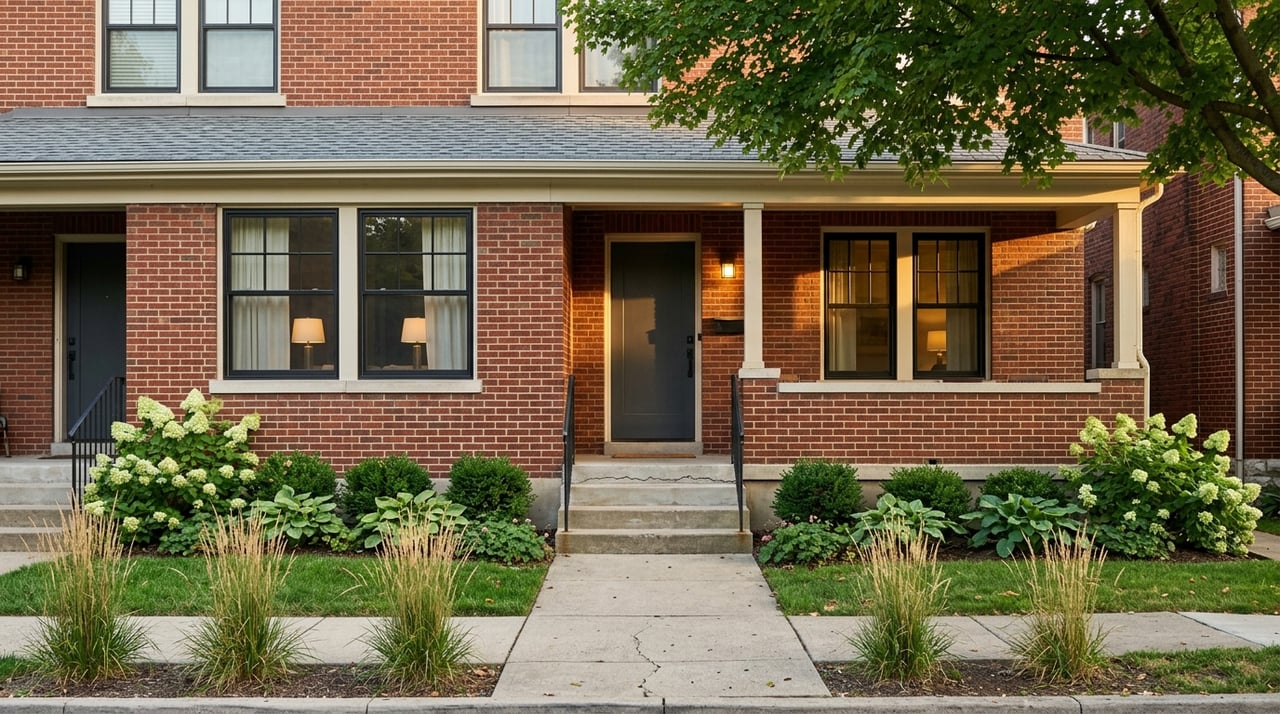
Lakewood’s porch tradition is one of its defining features. The Lakewood Historical Society notes that most homes built from the 1890s through the 1920s had porches, and the city still has thousands of them.
That design creates a more outward-facing feel. Instead of backyards doing all the social work, front porches help shape how neighbors interact and how blocks feel day to day. If you have ever driven through Lakewood and thought it felt more connected than other places, the porches are part of that story.
Not All Century Homes Feel the Same
Lakewood is not one uniform historic district. Different parts of the city developed in different ways, and that affects what you may see from block to block.
Birdtown is one of the city’s oldest neighborhoods and was originally built as housing for Union Carbide employees. Middle Lakewood is often associated with the familiar pattern of single-family and two-family homes from the 1890s through the 1920s. Clifton Park and some lakefront areas developed with a more park-like layout and curving streets.
For you as a buyer or seller, that means a Lakewood century home can mean different things depending on the area. Some homes lean more modest and practical, while others feel more architectural or more tied to the lakefront setting. The common thread is age, character, and a strong sense of place.
The Best Parts of Owning One
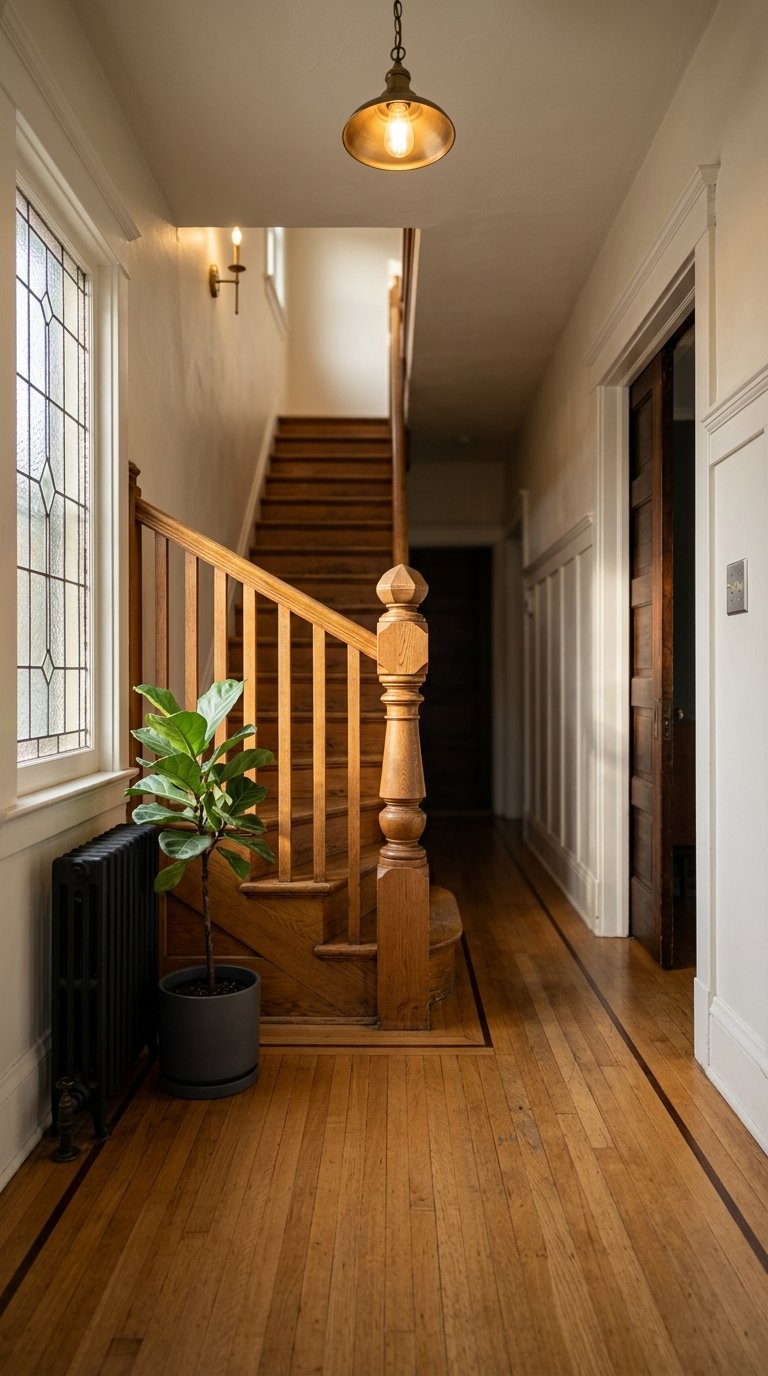
Century homes often offer details that are hard to replicate. Original woodwork, traditional layouts, mature streetscapes, and front-porch living all contribute to the appeal. In Lakewood, older homes are also part of the city’s public identity, not just private houses with old trim.
The Lakewood Historical Society’s Century Home Recognition Program highlights homes by milestone years like 1885, 1895, 1905, 1915, and 1925. That says a lot about how the community sees these properties. They are not rare exceptions. They are part of what makes Lakewood feel like Lakewood.
There is also something reassuring about buying into a place where older housing is understood. Lakewood’s Housing Forward initiative and active housing programs show that the city is paying attention to how these homes age and what owners need to maintain them.
The Tradeoffs You Should Expect
Maintenance is more hands-on
Charm usually comes with responsibility. Older homes often require more regular inspection and repair, especially on exterior features like porches, gutters, masonry, and trim.
That is especially true in Lakewood, where upkeep is taken seriously. The city’s residential housing survey evaluates one-, two-, and three-family dwellings on a 1-to-4 scale based on visible exterior code violations, and the city’s Housing & Building division handles permits for alterations, repairs, and new construction.
In simple terms, ownership here tends to reward buyers who are realistic about maintenance. A well-kept century home can be deeply satisfying to own, but it usually does not thrive on neglect.
Records and permits matter
When work has already been done, the paper trail matters. Lakewood’s building division performs prior-to-sale inspections, complaint inspections, and other code-related oversight, and permitted work should leave a city record.
If you are buying, that makes it smart to ask what was updated, when it was updated, and whether permits and inspections were completed. If you are selling, having organized records can help build buyer confidence.
Health and renovation caution are part of the process
Lead paint is one of the biggest issues to think about in older housing. EPA guidance says homes built before 1978 are likely to contain lead-based paint, and Lakewood’s own lead-safety page gives the same warning while noting that the city’s older housing stock makes it a targeted community for lead-risk outreach.
That does not mean every house is unsafe, but it does mean lead-safe renovation history is worth taking seriously. If projects have been done over time, you want to understand how they were handled.
Asbestos is another reason to move carefully before demolition or major remodeling. Older homes and older building products can still contain asbestos, so opening walls, removing flooring, or tearing out older materials should be approached thoughtfully.
Comfort and Efficiency Can Improve
A century home does not have to feel drafty forever. The U.S. Department of Energy says weatherization focuses on air sealing, insulation, moisture control, and ventilation, all of which can improve comfort and energy savings.
In a Lakewood home, that often means paying attention to the building shell first. Drafty doors and windows, attic insulation, and overall envelope performance can make a noticeable difference.
There may also be local support available. Lakewood lists weatherization grants, home-improvement loans and rebates, Paint Lakewood, a Pride Fund loan guaranty, lead-safe grant referrals, and a five-year homeowner tax abatement on qualifying improvements. Cuyahoga County also offers a Home Weatherization Assistance Program for eligible homeowners and renters outside the City of Cleveland.
Questions to Ask During a Showing
If you are touring a Lakewood century home, a few smart questions can save you time and stress later. Focus on updates, exterior condition, safety, and documentation.
Here are some of the most useful questions to ask:
- What major work has been done, and were permits pulled?
- Are inspection records available for past alterations or repairs?
- Has the home had lead-safe testing or lead-safe renovation work?
- When were the roof, furnace or boiler, electrical panel, and plumbing updated?
- What is the condition of the porch, masonry, gutters, and grading?
- Has the seller explored any local weatherization or improvement programs?
- If the property is a duplex or rental, is a certificate of code compliance required before sale?
These questions help you look past the charm and focus on ownership reality. That is especially important in a city where older homes are common and maintenance standards are visible.
What This Means for Buyers and Sellers
If you are buying, Lakewood century-home living is usually best for someone who values character, walkability, and neighborhood feel enough to accept a little more maintenance discipline. You are not just buying square footage. You are buying into a specific style of city living.
If you are selling, it helps to understand that buyers often love the character but worry about the unknowns. Clear records, visible upkeep, and honest information about updates can go a long way in helping your home stand out.
For both sides, the takeaway is simple. Living in a Lakewood century home is a mix of charm, density, and responsibility. If that combination fits your lifestyle, it can be one of the most rewarding ways to live on Cleveland’s west side.
Whether you are comparing neighborhoods, preparing to list, or trying to understand what to expect from an older home, Iconic Partners Group can help you make a confident move with local insight and hands-on guidance.
FAQs
What makes Lakewood century homes so common?
- Lakewood grew rapidly during the streetcar era, and much of its housing was built from the 1890s through the 1920s, which is why older homes are so common across the city.
What does daily life in a Lakewood century home feel like?
- Daily life often feels walkable, connected, and neighborhood-oriented, with close-set homes, active sidewalks, and front porches that shape the social feel of many blocks.
What maintenance issues matter most in a Lakewood century home?
- Exterior upkeep, porch condition, masonry, gutters, grading, and the age of major systems like roofing, heating, electrical, and plumbing are all important to watch.
What health concerns should buyers consider in older Lakewood homes?
- Buyers should pay close attention to possible lead-based paint in pre-1978 homes and use caution before renovations that may disturb older materials.
What should buyers ask when touring a Lakewood century home?
- Buyers should ask about permits, inspection records, lead-safe work, system updates, exterior condition, and whether any local improvement or weatherization programs may apply.
What help is available for improving a Lakewood century home?
- Lakewood lists several housing support options, including weatherization grants, loans, rebates, lead-safe grant referrals, and a tax abatement on qualifying improvements, with additional weatherization help available through Cuyahoga County for eligible households.